An AI readiness assessment helps businesses understand whether they have the strategy, data, technology, processes, people and governance needed to adopt AI effectively. Access to AI tools alone does not mean a company is ready for implementation. Real readiness depends on how well AI fits business goals, existing systems, operational workflows, employee capabilities and risk requirements. A structured assessment for AI readiness helps identify gaps early, reduce unnecessary investment and create a clearer path from experimentation to practical business value.
TL;DR
- What: An AI readiness assessment evaluates whether a business has the capabilities needed to adopt AI successfully.
- Why: It identifies gaps in data, technology, processes, skills, governance and resources before implementation.
- How: Businesses assess seven core areas, score readiness, prioritize gaps and build a practical adoption roadmap.
What Is an AI Readiness Assessment?
An AI readiness assessment is a structured evaluation of an organization’s ability to implement, integrate, operate and maintain AI solutions in line with business goals. It examines current capabilities and identifies gaps between the company’s existing state and what successful AI adoption requires.
Unlike a general technology audit, it considers business strategy, operational processes, people, governance and investment capacity alongside technical systems. An AI strategy assessment focuses more on direction and priorities, while readiness asks whether the organization can realistically execute that strategy.
For broader context, What Is AI Transformation and Why Does It Matter for Businesses? explains how AI can affect operations, products and decision-making.
AI Readiness vs. AI Maturity: What’s the Difference?
AI readiness asks whether a company is prepared to begin or expand AI adoption. AI maturity measures how advanced existing AI capabilities, processes and governance have become over time.
When Should a Business Conduct an AI Readiness Assessment?
Businesses should conduct an assessment before launching major AI initiatives, increasing AI investment, expanding pilots, modernizing infrastructure, or preparing anAI Transformation Roadmap.
AI Readiness Assessment Framework: 7 Areas Every Business Should Evaluate
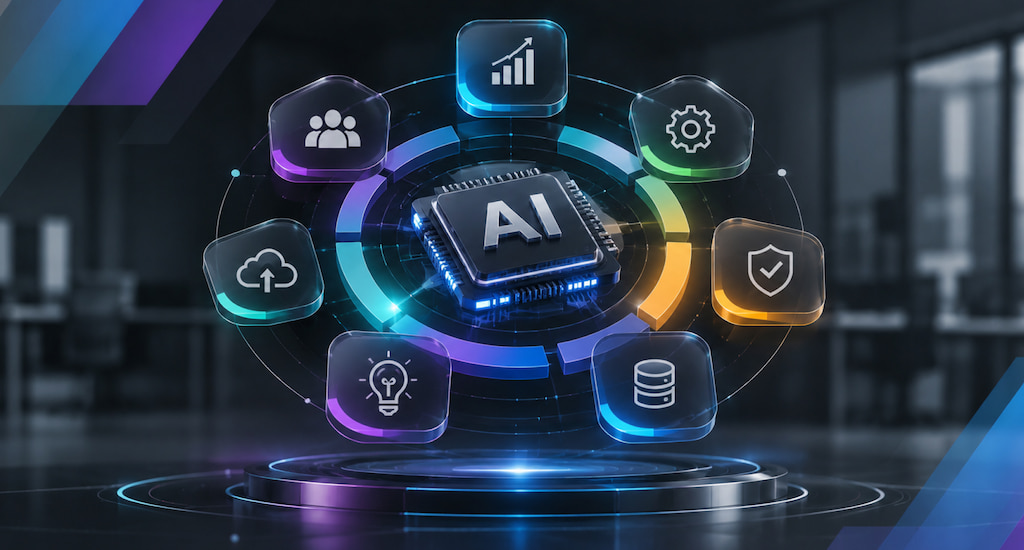
An AI readiness assessment framework should evaluate each area against current capabilities, business requirements, risks and available resources. There is no universal score that guarantees success because readiness depends on the organization and intended AI use cases.
Business Strategy and AI Use Cases
Assess whether AI initiatives connect to measurable goals, defined problems, expected business value, leadership priorities and realistic use cases.
Data Quality, Accessibility and Governance
Review whether data is accurate, relevant, accessible, organized and suitable for intended AI applications. Consider ownership, silos, privacy, security and integration.
Technology Infrastructure and System Integration
Examine software, cloud infrastructure, APIs, computing capacity and compatibility with potential AI solutions. Existing systems may require modernization orAI Integration before deployment.
Business Processes and Operational Readiness
A business process assessment should determine whether workflows are documented, consistent and suitable for AI support. Identify bottlenecks, manual work, dependencies and how employees will use AI outputs.
Employee Skills and Organizational Culture
Evaluate AI literacy, technical expertise, training needs, leadership support, accountability and employee willingness to adopt new tools.
AI Governance, Security and Compliance
Review policies for data protection, human oversight, access control, responsible use, inaccurate outputs, bias, confidentiality and regulatory requirements.
Budget, Resources and Implementation Capacity
Assess budget, internal expertise, timelines, vendor needs, training costs, monitoring, maintenance and resources required to scale successful initiatives.
How to Score and Interpret Your Company's AI Readiness
A simple four-level model can help compare readiness across departments:
- Level 1: Initial: Capabilities are limited or undocumented.
- Level 2: Developing: Some capabilities exist, but important gaps remain.
- Level 3: Established: Core capabilities are in place with manageable gaps.
- Level 4: Advanced: Capabilities are measured and support broader AI adoption.
Scores should always be supported by evidence. A company may have strong cloud infrastructure but weak data governance. In that case, the overall score should not hide the governance risk. The weak area may need attention before implementation moves forward.
Common AI Readiness Gaps That Can Delay Implementation
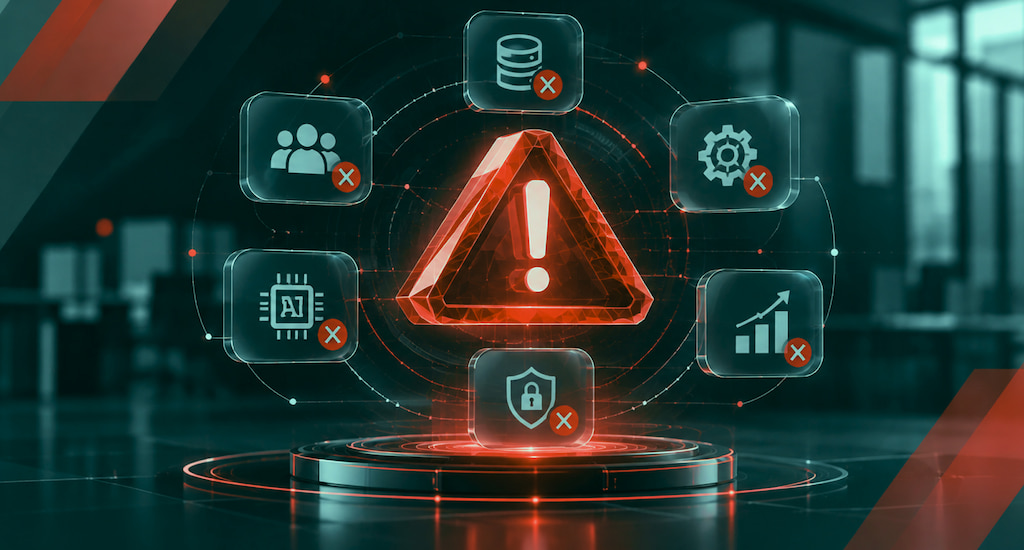
Unclear Business Objectives and Poorly Defined Use Cases
AI projects fail to create value when teams start with technology rather than a clear business problem.
Fragmented Data and Incompatible Systems
Disconnected data sources, legacy software and weak integrations can delay implementation and reduce output quality.
Limited AI Skills and Employee Resistance
Employees need training, context and clear expectations before AI becomes part of daily work.
Missing Governance and Risk Management Policies
Without clear ownership and controls, businesses may face privacy, security, compliance and accountability problems.
Unrealistic Expectations About Cost, Time and ROI
AI projects require implementation, integration, monitoring, training and ongoing improvement, not only model access.
What to Do After an AI Readiness Assessment
Assessment results should guide the next business decision, not automatically trigger deployment.
Address Critical Readiness Gaps First
Improve weak areas such as data quality, infrastructure, governance, or internal skills before increasing implementation complexity.
Select a Feasible, High-Value AI Pilot
Choose a use case with clear value, manageable technical requirements and measurable outcomes. This may involveGenerative AI Development or targetedAI Prompt Engineering Services.
Define Success Metrics and Risk Controls
Set metrics for accuracy, adoption, efficiency, cost, customer impact and risk before launch.
Build an AI Adoption Roadmap With Clear Milestones
Translate assessment findings into priorities, owners, timelines, dependencies and investment stages.IT consulting can help connect these decisions with broader technology planning.
How AI Readiness Supports a Long-Term Business AI Strategy
AI readiness findings strengthen an AI business strategy by connecting business goals with actual capabilities, investment priorities and implementation constraints. Leaders can decide which initiatives are ready now, which require additional preparation and which may not justify investment.
Readiness should also be reassessed as systems, regulations, business priorities and AI capabilities change. Companies usingAI transformation services may combine readiness work withsoftware development services when technical foundations need improvement.VECTO DIGITAL can also support broader transformation work, while teams canhire marketing professionals or useSEO services when AI-enabled products need market and search support.
Frequently Asked Questions
What Does an AI Readiness Assessment Include?
It typically covers strategy, data, infrastructure, processes, skills, governance, security, budget and implementation capacity.
How Do You Assess AI Readiness in a Business?
Evaluate each readiness area against current capabilities, intended use cases, risks, evidence and resources required for improvement.
What Is an AI Readiness Assessment Framework?
It is a structured model used to evaluate the key organizational capabilities needed for AI implementation.
How Long Does an AI Readiness Assessment Take?
Timing depends on company size, systems, data complexity, stakeholder availability and assessment depth.
Who Should Be Involved in an AI Readiness Assessment?
Leadership, business teams, IT, data specialists, security, operations, legal or compliance and relevant product owners should contribute.
How Often Should a Company Reassess Its AI Readiness?
Readiness should be reviewed when business priorities, technologies, regulations, infrastructure, or planned AI initiatives change significantly.
